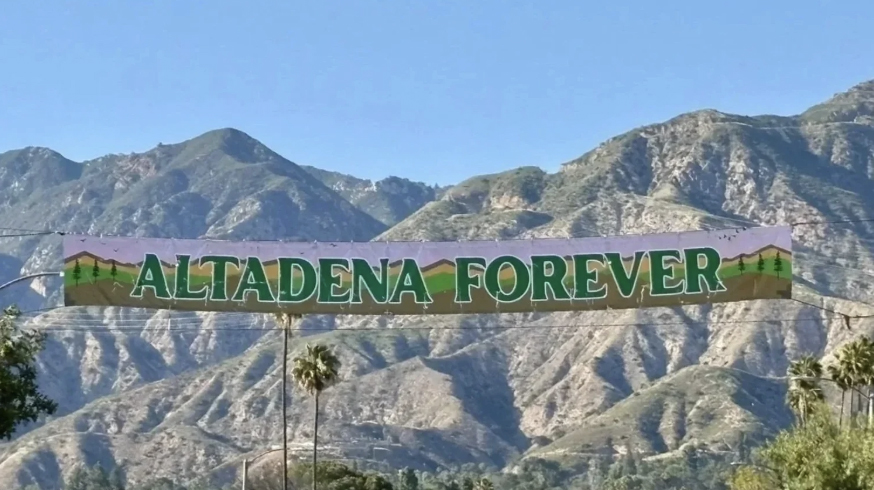
Altadena’s Residential Rebuilding After the Eaton Fire
The Eaton Fire left a lasting heartbreak across Altadena, displacing thousands of families and forever changing a community that so many called home. For homeowners, the loss was not simply a house, but years of memories, hard work, and a place deeply connected to their lives. Altadena is slowly beginning to rebuild, with foundations being poured, homes taking shape, and families taking steps toward returning. But behind every permit and construction project is a family still navigating the long and emotional road home.
Signs of recovery are becoming increasingly visible and it brings me happiness seeing some of my family, friends, and aquaintances nearing completion of their rebuilds. Returning to a newly rebuilt home can be an incredibly emotional milestone for fire survivors. A place that once represented loss and heartbreak is transformed into a symbol of resilience, offering families a sense of healing, closure, and hope as they finally begin to feel at home again. The statistics show that rebuilding a community of this size is a long process and getting a permit is only one step between a burned lot and a family returning home, but fortunately there are fire victims that have reached the finish line to returning back to beautiful Altadena.
As of August 2026, an analysis of Los Angeles County records found that approximately 57% of fire-impacted single-family lots had entered the permitting process. More than 3,000 rebuilding permit applications had been submitted. However, only 91 projects, about 2% of the rebuilding projects tracked, had been completed.
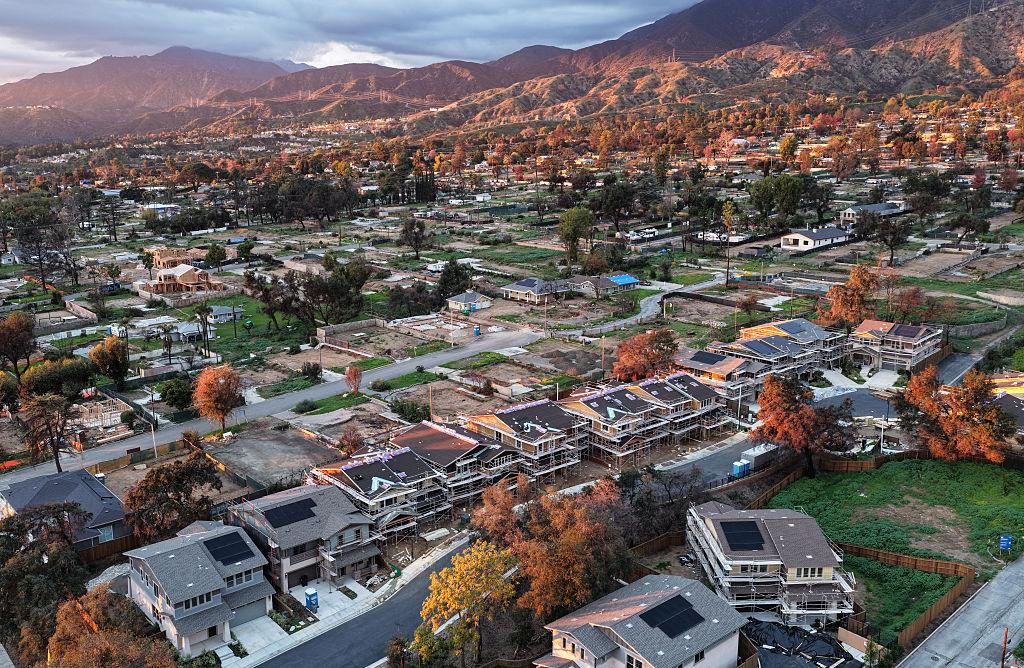
Another way to measure progress is by looking at the County’s broader destroyed/damaged-parcel population. Altadena’s independent Altadata tracking project, using County records, reported that as of August 11, 2026, 3,535 of 5,945 damaged or destroyed parcels, 59.5% had an active rebuilding case. That means approximately 40.5% had not yet entered the active rebuilding process.
What Happens After a Homeowner Applies?
The permitting numbers provide a good illustration of how much work remains after an application is filed. A UCLA analysis of severely damaged Altadena single-family homes found that, by February 2026, 48% of homeowners had submitted a rebuilding permit application. Of those applications:
- 91% had cleared zoning
- 41% had reached the building-plan stage
- 54% had received building-plan approval
- 44% had permits issued
- 30% had actually started construction
The distinction is significant: having an approved permit doesn’t necessarily mean a house is being built. Financing, insurance settlements, contractor availability and construction costs can all determine whether a homeowner can move from an approved plan to an active construction site.
Los Angeles County reported in March 2026 that more than 1,025 homes were under construction, approximately 2,000 building permits had been issued, and more than 3,000 rebuild applications had been received across the Eaton Fire recovery area. The County has also reported that its permitting system has accelerated considerably since the early months following the fire.
How Does Altadena Compare With Pacific Palisades?
The comparison with the Pacific Palisades Fire, which also occurred on January 7, 2025, is particularly interesting. The two communities suffered devastating losses, but they have followed somewhat different rebuilding trajectories.
According to a Los Angeles County economic update released in June 2026, 32.83% of homes destroyed in the Eaton Fire area had received rebuilding permits as of April 2026, compared with 19.87% in Pacific Palisades. In other words, by that point, Altadena had achieved a significantly higher percentage of permitted rebuilds relative to the number of homes destroyed.
The Palisades has since made substantial progress.
As of August 5, 2026, approximately:
- 1,750 Palisades homes had rebuilding applications submitted
- 1,196 permits had been issued
- 1,006 homes were under construction
- 30 homes had received certificates of occupancy and were legally ready for residents to return
Those figures represent approximately 25.6% of the homes lost with applications submitted, 17.5% with permits issued, 14.7% under construction and 0.4% completed.
That makes the Palisades situation remarkably similar to Altadena in one important respect: the number of homes actually completed is dramatically smaller than the number of homes that have entered the rebuilding pipeline.
Altadena vs. Pacific Palisades: Where Things Stand
| Measure | Altadena / Eaton Fire | Pacific Palisades Fire |
|---|---|---|
| Approx. homes destroyed | ~6,000 | ~6,800–6,900 |
| Entered rebuilding process | ~59.5% of damaged/destroyed parcels* | ~25.6% applications submitted |
| Rebuild permits issued | ~2,000+ | 1,196 |
| Homes under construction | 1,025+ | 1,006 |
| Homes completed | ~91 projects reported | 30 |
| General pace | Higher permitting participation | Faster permit turnaround once submitted |
*The Altadena 59.5% figure includes parcels with an active rebuilding case, which is broader than simply having a permit application submitted. The methodologies are therefore not perfectly identical.
The Most Important Difference
One of the most revealing statistics is the difference between permits issued and completed homes.
In Altadena, more than 2,000 permits had been issued by March 2026, and more than 1,000 homes were already under construction. Yet only a small fraction had reached completion.
In the Palisades, 1,196 permits had been issued by August, with more than 1,000 homes under construction, but only 30 had received certificates of occupancy.
That isn’t necessarily an indication that rebuilding is failing. It reflects the reality that a residential rebuild can take many months after the permit is issued. A Palisades rebuilding analysis notes that construction of a single-family home can commonly take 10–18 months, depending on the project.
Altadena Is Showing Momentum—but the Road Home Is Still Long
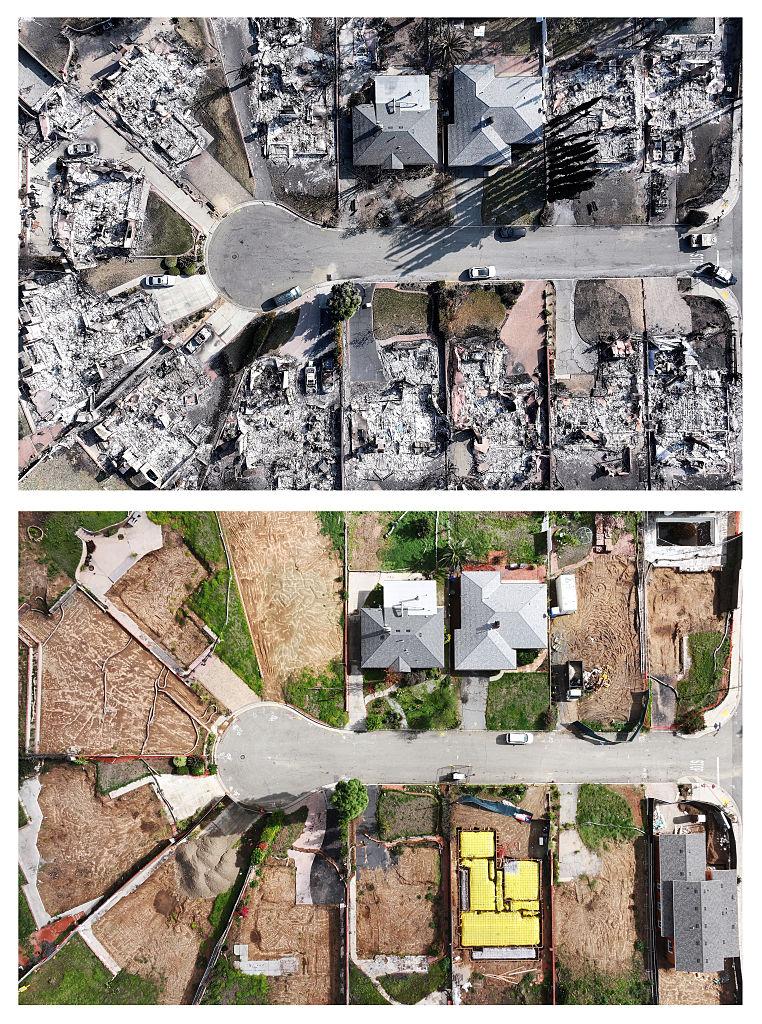
Perhaps the biggest takeaway is that Altadena’s recovery is further along than many people might realize.
Nearly 60% of damaged or destroyed parcels have now entered an active rebuilding process, more than 3,000 permit applications have been submitted, and more than 1,000 homes are under construction.
At the same time, the fact that only around 2% of rebuilding projects had been completed as of August demonstrates just how different starting the process is from coming home.
For homeowners watching Altadena’s streets change from vacant lots to foundations, framing and eventually finished houses, the recovery is becoming increasingly tangible. But the rebuilding of an entire community will likely be measured not in months, but in years.
The comparison with Pacific Palisades reinforces that point. Both communities are rebuilding at significant scale, both have thousands of homeowners somewhere in the recovery pipeline, and both are seeing construction activity accelerate. Yet the number of families who have actually returned to newly rebuilt homes remains very small.
The next phase of the recovery will be less about getting homeowners into the permitting pipeline—and more about getting permitted projects financed, constructed and completed.
For Altadena, that may ultimately be the defining chapter of the Eaton Fire recovery: transforming thousands of approved plans and active construction sites into a neighborhood full of families, businesses and everyday life once again.