The Pasadena Bungalow: How a Simple House Became an Icon of Southern California
If there is one type of home that captures the spirit of early 20th-century Pasadena, it may be the bungalow.
Today, Pasadena is famous for grand historic estates, architectural landmarks, and neighborhoods filled with beautifully preserved Craftsman homes. But the bungalow was never intended to be a house only for the wealthy. Its popularity came from something much more democratic: it offered ordinary families an attractive, comfortable and relatively affordable way to own a home.
At the same time, the bungalow embodied a new Southern California lifestyle—one that emphasized informal living, indoor-outdoor connections, natural materials and a closer relationship with the landscape.
That combination helped make the bungalow one of the most important residential building types in Pasadena’s history.
A City Growing Into the 20th Century
Pasadena experienced extraordinary growth around the turn of the 20th century. The city was incorporated in 1886, and the arrival of expanded railroad service from Los Angeles in 1888 helped fuel a population and real estate boom. By 1900, Pasadena was developing into both a destination for visitors and a permanent home for people arriving from other parts of the country.
Between 1900 and 1910, more than 300 residential tracts were recorded in Pasadena. While wealthy residents built impressive estates and architect-designed houses, developers were also creating neighborhoods of much smaller cottages and bungalows for middle- and working-class residents.
The bungalow arrived at exactly the right moment.
Pasadena needed housing that could be built relatively quickly, fit comfortably on smaller residential lots and appeal to a growing population. The bungalow met all three requirements.
What Exactly Is a Bungalow?
One of the interesting things about the word “bungalow” is that it describes a type of house more than a specific architectural style.
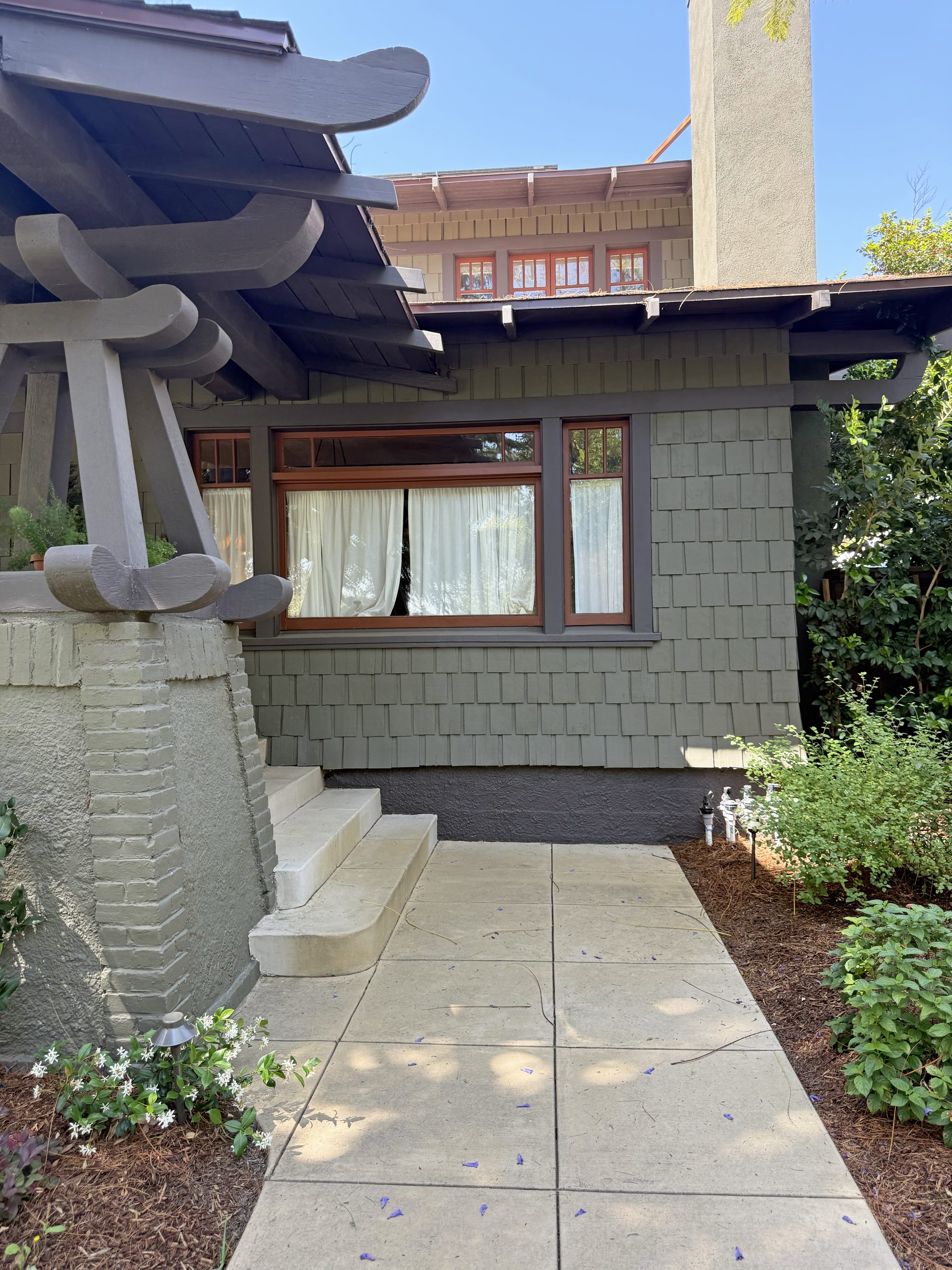
Pasadena’s Historic Context Statement describes the California bungalow as generally a one-story residence with a front porch. Although the term became closely associated with the Craftsman style, bungalows could also incorporate Spanish Colonial Revival, Colonial Revival, English Revival and other architectural influences.
The typical Pasadena bungalow was relatively modest in size, but it was designed to feel larger and more connected to the outdoors than its square footage might suggest.
Wide front porches, generous roof overhangs, exposed structural elements, natural wood, stone, brick and abundant windows created an informal architecture particularly suited to Southern California’s climate.
Rather than turning its back on the outdoors, the bungalow invited the outdoors in.
The Influence of the Arts & Crafts Movement
The popularity of the bungalow was closely connected to the Arts & Crafts movement, which rejected the excessive ornamentation associated with Victorian architecture and emphasized craftsmanship, simplicity and natural materials.
Pasadena became an important center of this movement.
Architects Charles and Henry Greene of Greene & Greene elevated the Pasadena bungalow into an extraordinary form of architecture. Their most famous work, the Gamble House, demonstrated how a relatively informal residential building could be both deeply connected to nature and extraordinarily sophisticated in its craftsmanship.
But the real significance of the bungalow was that the ideas expressed in these expensive architect-designed homes eventually filtered down into much more affordable housing.
The bungalow allowed the Arts & Crafts philosophy to reach a much broader audience. Pasadena’s Historic Context Statement notes that many bungalows were not custom-designed by architects at all; they were selected from plan books and catalogs, built by local contractors or assembled from prefabricated components.
In other words, the bungalow helped democratize good residential design.
A House for the Middle Class
This may be the most important reason the bungalow became so significant.
A large Victorian house or architect-designed estate required considerable land, labor and money. The bungalow offered a different proposition: a smaller house on a smaller lot that could still have architectural character.
Pattern books and mail-order catalogs made bungalow designs widely available. Prefabricated building kits went even further, providing many of the components needed to construct a house, including lumber, doors, windows, hardware, paint and even instructions.
This helped make attractive homeownership accessible to families who could never have afforded one of Pasadena’s grand estates.
The result was a new kind of neighborhood—one composed not of mansions, but of hundreds of individual homes that were modest in scale yet rich in character.
Bungalow Heaven
Perhaps nowhere is this story better preserved than in Pasadena’s Bungalow Heaven Historic District.
Located in north-central Pasadena, Bungalow Heaven developed primarily between 1888 and 1929. The district contains 522 contributing buildings and 164 non-contributing buildings, making it one of the most significant surviving concentrations of early residential architecture in the region. More than 70 percent of its houses are bungalows influenced by the Arts & Crafts movement, most constructed between 1905 and 1920.
What makes Bungalow Heaven especially important is not simply the number of historic houses. It represents working-class and middle-class Pasadena during a period when the city was rapidly expanding.
The neighborhood demonstrates that architectural history isn’t only about famous architects and spectacular mansions. It is also about the houses ordinary families lived in—and the neighborhoods they created together.
The relatively uniform lots, front setbacks, porches, mature landscaping and repeating bungalow forms create a streetscape that still communicates what Pasadena’s residential neighborhoods looked and felt like more than a century ago.
The Bungalow Court: A Pasadena Innovation
Pasadena’s influence on bungalow architecture went beyond the individual house.
The city is generally credited as the birthplace of the bungalow court, an innovative form of multifamily housing in which small detached houses or duplexes were arranged around a shared landscaped courtyard.
The first bungalow court in Pasadena was St. Francis Court, designed by architect Sylvanus Marston and built in 1909. It consisted of 11 individual bungalows arranged around a landscaped setting, giving residents the privacy of an individual home while sharing a common outdoor environment.
This was an important idea.
Instead of placing apartments inside one large building, the bungalow court provided residents with something that felt much more like a neighborhood.
The concept became enormously popular. Pasadena’s bungalow courts were developed from 1909 through 1942, and the city has identified 112 surviving examples, including 43 with historic designation.
The bungalow court was an early example of a housing concept that feels surprisingly modern today: smaller private residences combined with thoughtfully designed shared outdoor space.
Why the Bungalow Worked So Well in Pasadena
The bungalow wasn’t popular simply because it was inexpensive.
It was also exceptionally well suited to Pasadena.
The mild Southern California climate made porches, open windows and outdoor living practical for much of the year. Houses could spread horizontally rather than vertically, with broad roofs and deep porches providing shade.
The architecture also complemented Pasadena’s natural setting.
Early Pasadena neighborhoods were characterized by mature trees, gardens and views toward the San Gabriel Mountains. The bungalow’s low profile and emphasis on landscaping allowed houses to become part of that environment rather than dominate it.
This relationship between architecture and landscape remains one of the most appealing qualities of Pasadena’s historic neighborhoods today.
More Than a Craftsman
Although “Craftsman bungalow” is often used almost interchangeably with “bungalow,” Pasadena’s bungalow neighborhoods actually demonstrate considerable architectural variety.
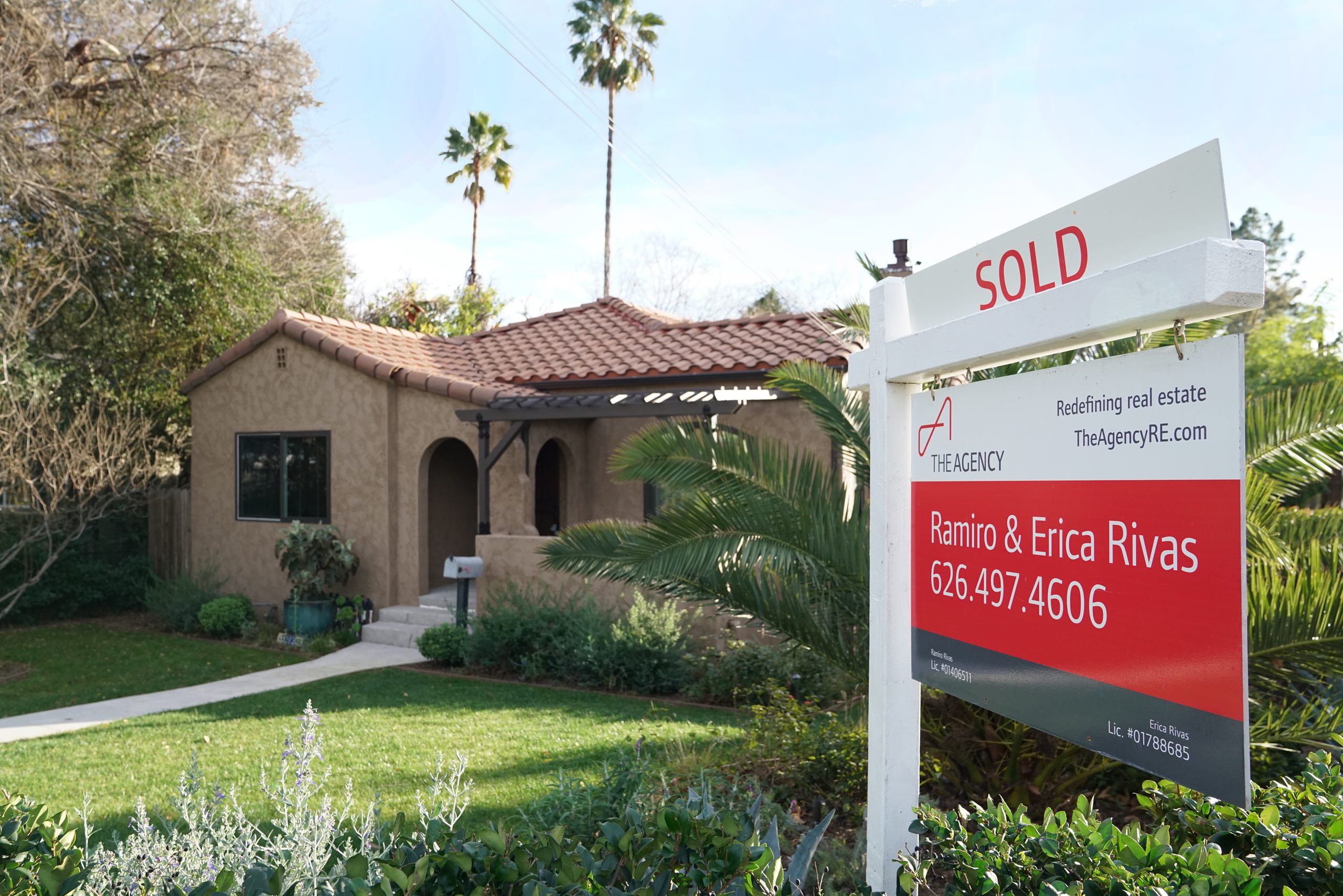
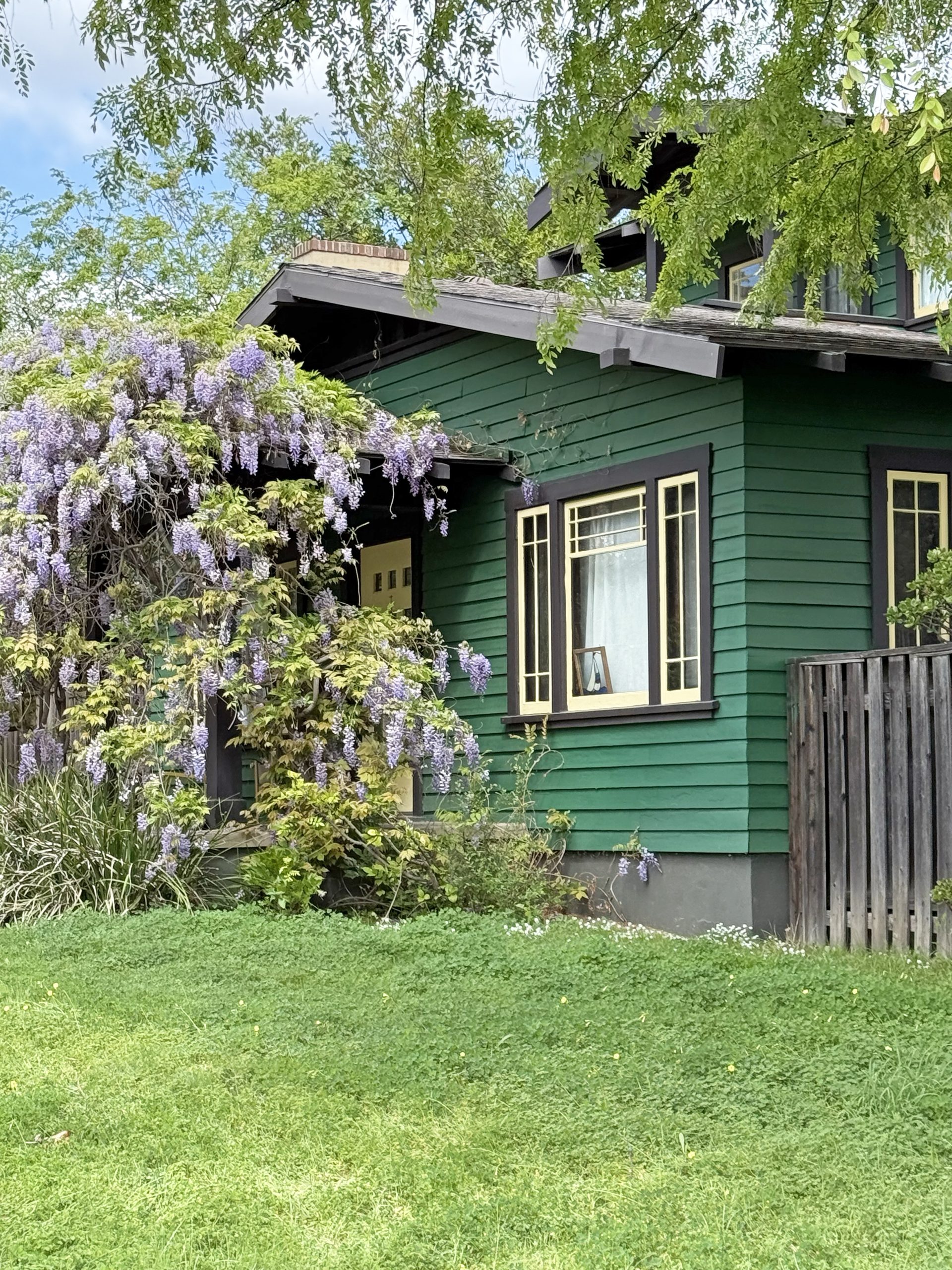
Craftsman examples may feature exposed rafters, tapered columns, natural wood and Arroyo stone. Other bungalows built in Pasadena adopted Spanish Colonial Revival, English Revival or Colonial Revival details.
That flexibility was another reason the bungalow was so successful.
The basic housing type could remain the same while its appearance changed with architectural fashion, neighborhood and homeowner preference.
It was essentially a housing template that could evolve with the times.
Why Pasadena’s Bungalows Still Matter
More than a century later, Pasadena’s bungalows remain among the city’s most desirable historic homes.
For today’s homebuyer, their appeal is often emotional as much as architectural.
A bungalow typically has a strong relationship with the street, a welcoming front porch, mature landscaping and a scale that feels distinctly residential. Original details—wood windows, built-ins, fireplaces, beams, hardwood floors and period hardware—can give these houses a sense of craftsmanship that is difficult to reproduce in new construction.
But their importance goes beyond charm.
These homes represent a pivotal period in Pasadena’s history when the city was transforming from a small Southern California community into a major residential and cultural center.
They tell the story of the people who built Pasadena—not just its wealthiest residents, but the teachers, shopkeepers, professionals, tradespeople and families who created neighborhoods and established the character of the city.
A Legacy Worth Preserving
Pasadena’s bungalow is ultimately an example of how good architecture does not have to be grand architecture.
The bungalow succeeded because it combined affordability, livability, beauty and adaptability. It provided homeowners with a real house and a connection to the outdoors while giving developers a practical way to accommodate a rapidly growing population.
And perhaps most importantly, it helped establish an architectural identity that remains unmistakably Pasadena.
From the Craftsman homes of Bungalow Heaven to the landscaped bungalow courts scattered throughout the city, these houses continue to remind us that some of Pasadena’s greatest architectural treasures were designed not as monuments, but as homes.
For anyone searching for a historic home in Pasadena today, understanding the bungalow is therefore about more than identifying an architectural style. It is about understanding how Pasadena became the city it is today—and why its historic neighborhoods remain so special.
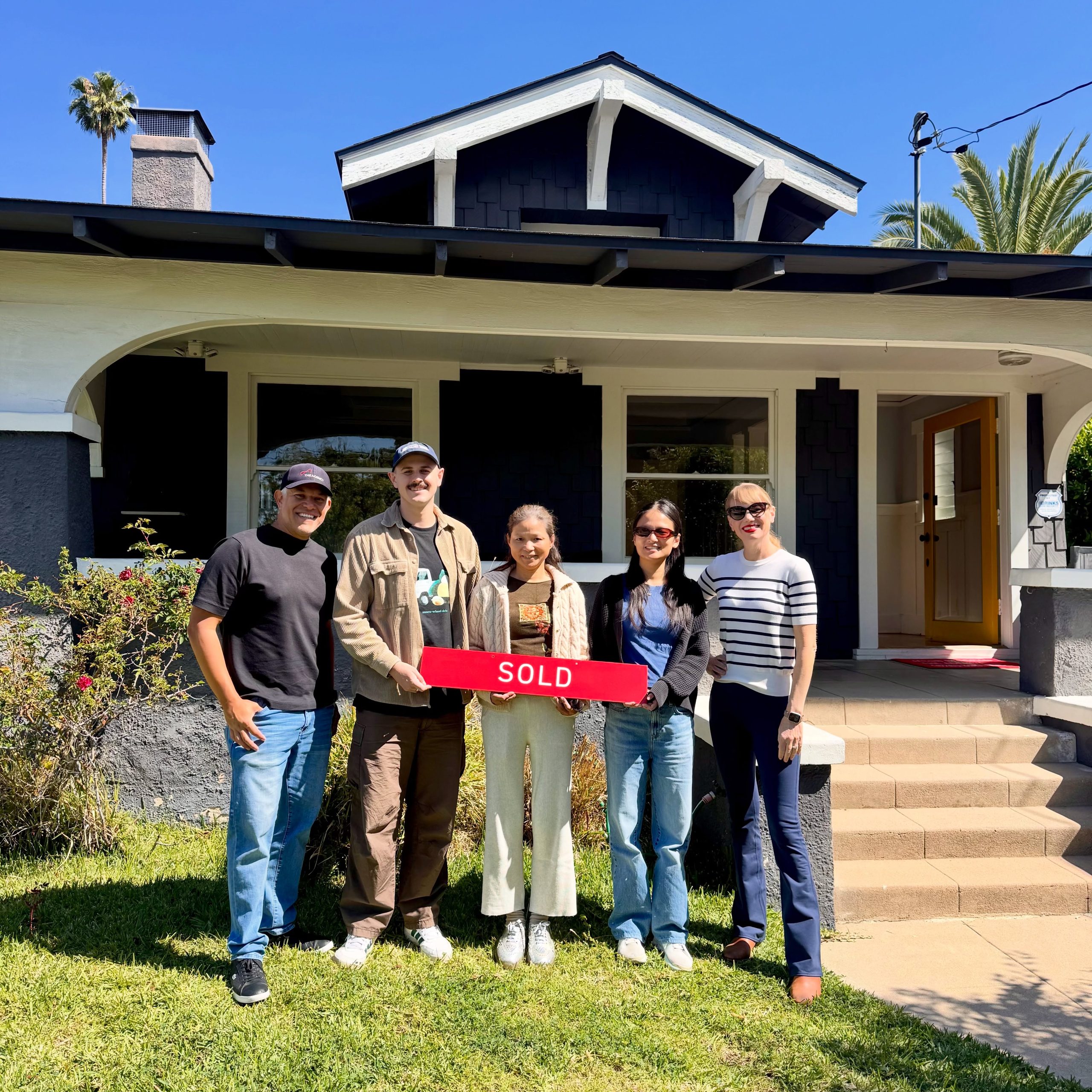
If you’re looking to purchase or rent a Pasadena bungalow for sale reach out to Ramiro & Erica Rivas of The Agency.
626-497-4606 Ramiro | 818-257-1054 Erica | info@RamiroAndErica.com